fbpx DIY Nano, all about nanoscale science | Science in the net

DIY Nano, all about nanoscale science

Primary tabs

Read time: 1 min

The DIY Nano app allows families to experience and learn about nanoscale science, engineering, and technology at home or on the go. The app was released thanks to a collaboration between Lawrence Hall of ScienceSciencenter, Emily Maletz Graphic Design and the Nanoscale Informal Science Education Network (NISE Network).
The DIY Nano app was supported by the National Science Foundation.

The app provides free, easy to use, hands-on activities at your fingertips. Each activity includes material lists, step-by-step instructions, and detailed explanations. The activity materials are widely available and inexpensive. The app includes links to family friendly videos.

[video:http://vimeo.com/32870203]

[video:http://vimeo.com/42373588]

The Lawrence Hall of Science is the UC Berkeley's public science center. The Lawrence Hall of Science have been providing parents, kids, and educators with opportunities to engage with science since 1968.

[video:http://www.youtube.com/watch?v=cJ1wUytZlX4]

It is possibile to find The Lawrence Hall of Science on YouTube, TwitterFacebook and Flickr.

Previews of the app:

DIY Nano DIY Nano DIY Nano DIY Nano


Scienza in rete è un giornale senza pubblicità e aperto a tutti per garantire l’indipendenza dell’informazione e il diritto universale alla cittadinanza scientifica. Contribuisci a dar voce alla ricerca sostenendo Scienza in rete. In questo modo, potrai entrare a far parte della nostra comunità e condividere il nostro percorso. Clicca sul pulsante e scegli liberamente quanto donare! Anche una piccola somma è importante. Se vuoi fare una donazione ricorrente, ci consenti di programmare meglio il nostro lavoro e resti comunque libero di interromperla quando credi.


prossimo articolo

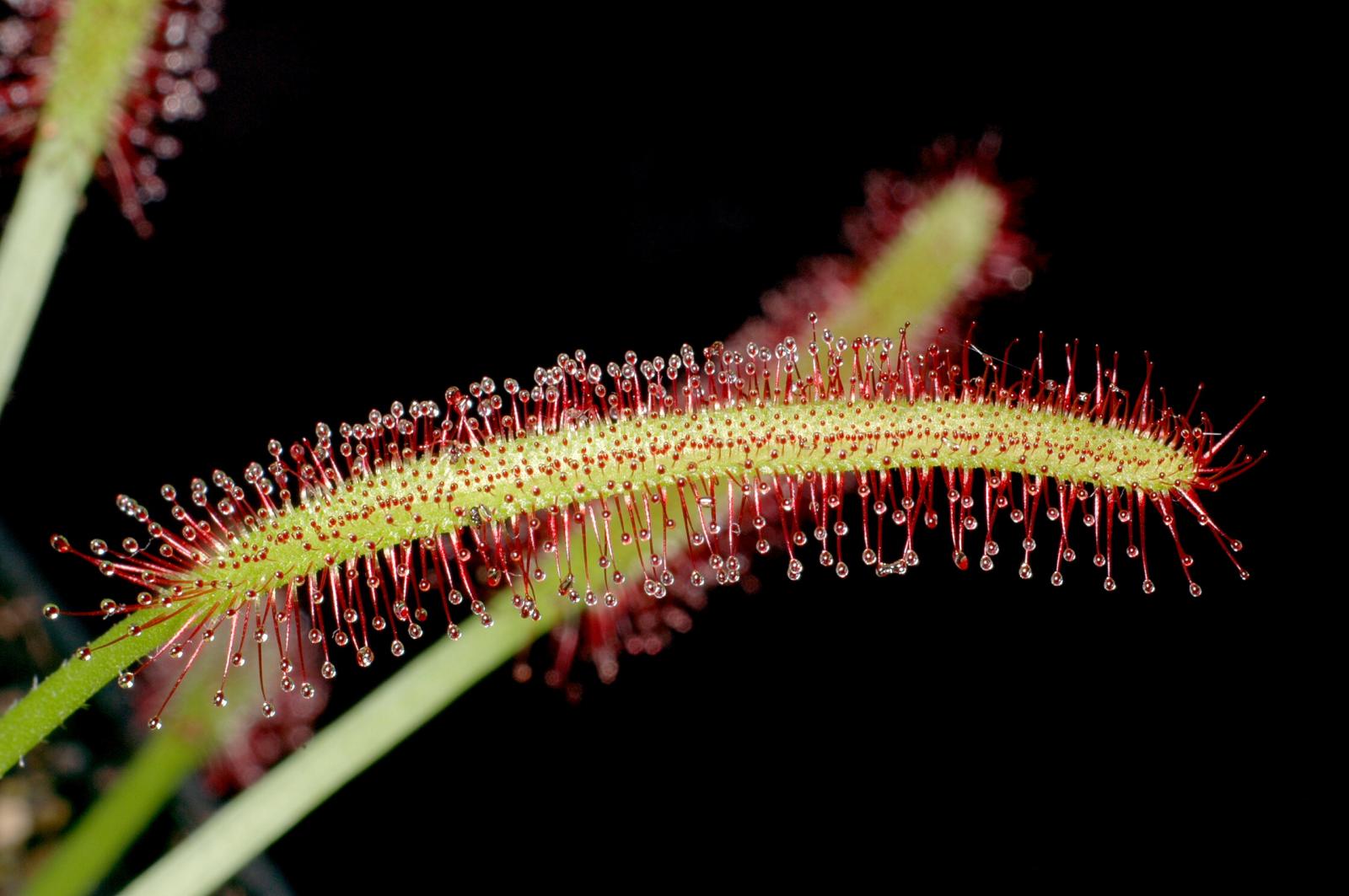
Carnivorous plants can be a source of inspiration for new materials

Drosera capensis. Wikimedia.

Carnivorous plants can be a source of inspiration for new materials with specific mechanical properties, according to researchers from the Centre for Complexity and Biosystems (CC&B) of the University of Milan. In a paper recently published on PNAS– and selected for the journal’s cover –they analysed the mechanics by which one of these plants, Drosera capensis, folds its leaves around insects trapped on their sticky surface in order to digest them.