
Marzo 1954, Isole Marshall, Oceano Pacifico, Yoshio Misaki su una tonnara giapponese assiste a uno strano spettacolo: un sole che sorge
a ovest. Ma non si tratta di un sole ma della luce prodotta dall’esplosione nucleare di un test americano effettuato in prossimità
dell’atollo Bikini a 85 miglia a ovest della tonnara. La nube radioattiva raggiunge la tonnara e il vicino atollo di Rongelap. E nessun civile è stato avvertito. Che conseguenze avrà questo drammatico episodio sul rapporto tra scienza e società?
Atollo di Bikini, la cicatrice della bomba atomica
Primary tabs
prossimo articolo
Nature Restoration Law: We Approve the Law for the Future of European Nature
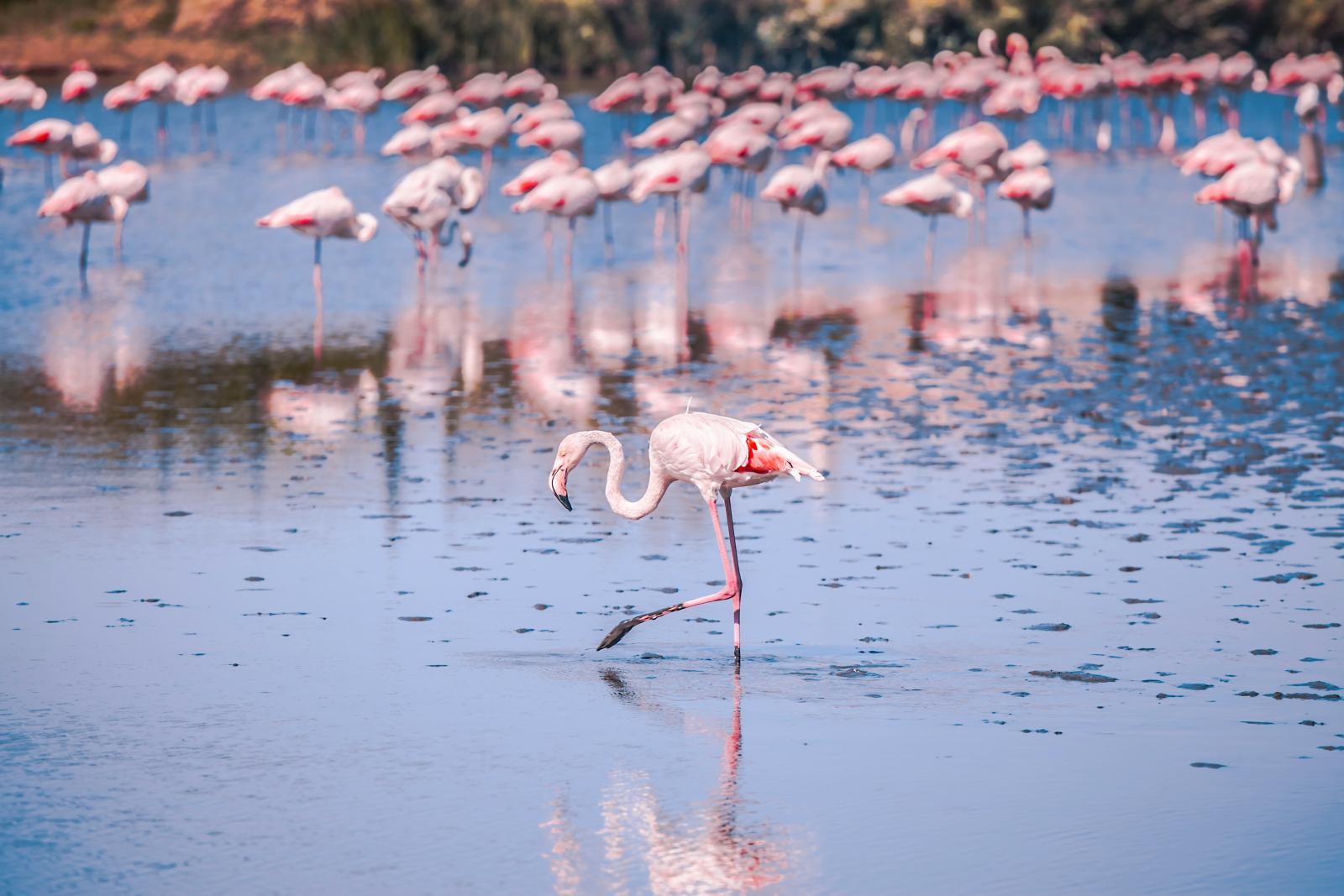
On the upcoming July 12, the European Parliament will decide the fate of one of the most ambitious initiatives in support of European nature, the Nature Restoration Law, a legislative proposal aimed at restoring European natural habitats. Now more than ever, it is crucial to defend this law and push for its approval.
In Italy, the Manifesto for the Nature Restoration Law has been published, an initiative that has so far received the support of over 150 associations, 4,000 scientists, dozens of large companies, and over one million signatures from individual citizens (here is the registration form).
Image credits: JD design - Unsplash
Making the protection of nature and the restoration of habitats a legal obligation: this is the purpose of the new European regulation proposal, the Nature Restoration Law. An ambitious proposal, but crucial for making the European Green Deal something concrete.