Marzo 1954, Isole Marshall, Oceano Pacifico, Yoshio Misaki su una tonnara giapponese assiste a uno strano spettacolo: un sole che sorge
a ovest. Ma non si tratta di un sole ma della luce prodotta dall’esplosione nucleare di un test americano effettuato in prossimità
dell’atollo Bikini a 85 miglia a ovest della tonnara. La nube radioattiva raggiunge la tonnara e il vicino atollo di Rongelap. E nessun civile è stato avvertito. Che conseguenze avrà questo drammatico episodio sul rapporto tra scienza e società?
Atollo di Bikini, la cicatrice della bomba atomica
Primary tabs
prossimo articolo
We cannot archive Covid-19 yet
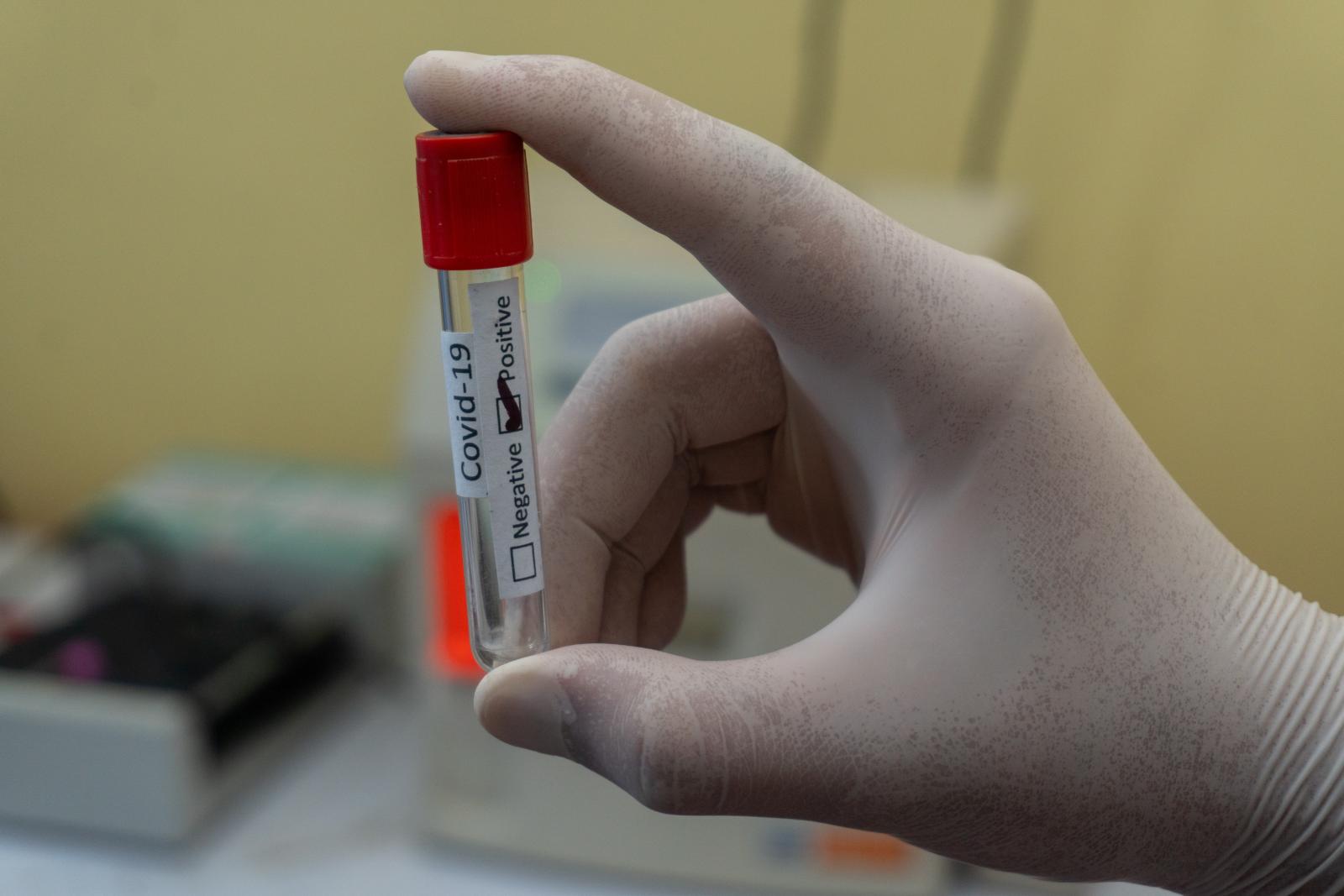
Coexistence with Covid-19 cannot yet be said to be stable, especially due to the great variability of SARS-CoV-2. For this reason, as the number of cases in Italy is increasing, it is necessary to limit the impact of infections by acting on two fronts, which are not alternatives to each other: reduce the share of people who have become partially susceptible and limit the likelihood of the emergence of new variants.
Image credits: Prasesh Shiwakoti (Lomash)/Unsplash
Several attempts have been made to archive Covid-19, trying to leave behind an experience worthy of the worst dystopian novel (about 770 million officially registered cases worldwide and an estimated 18 million deaths), but it seems that the anticipated "coexistence" with the family of viruses has not yet stabilized, and it will take several years to get there.