
fbpx Compulsory vaccination and rates of coverage immunisation in Europe | Science in the net

Compulsory vaccination and rates of coverage immunisation in Europe

Primary tabs

Tempo di lettura: 2 mins

Article published on the ASSET website

High rates of vaccination coverage in childhood are main indicators for public health. However, reaching and maintaining such a target is not always an easy task for public health institutions, and the spread of vaccine refusal and hesitancy is making this even harder.

Enforcing mandatory vaccinations is one of the strategies that some countries adopted and others are considering in order to face this issue. Depending on local legislations, legal consequences for those who do not accept the uptake can be very different, ranging from pecuniary penalties to hurdles to attend public schools. In some cases, parents may even incur penal consequences, as it recently happened in France, were two parents refusing to vaccinate their children risked a jail sentence. Nevertheless, the efficacy of such an approach has been questioned.

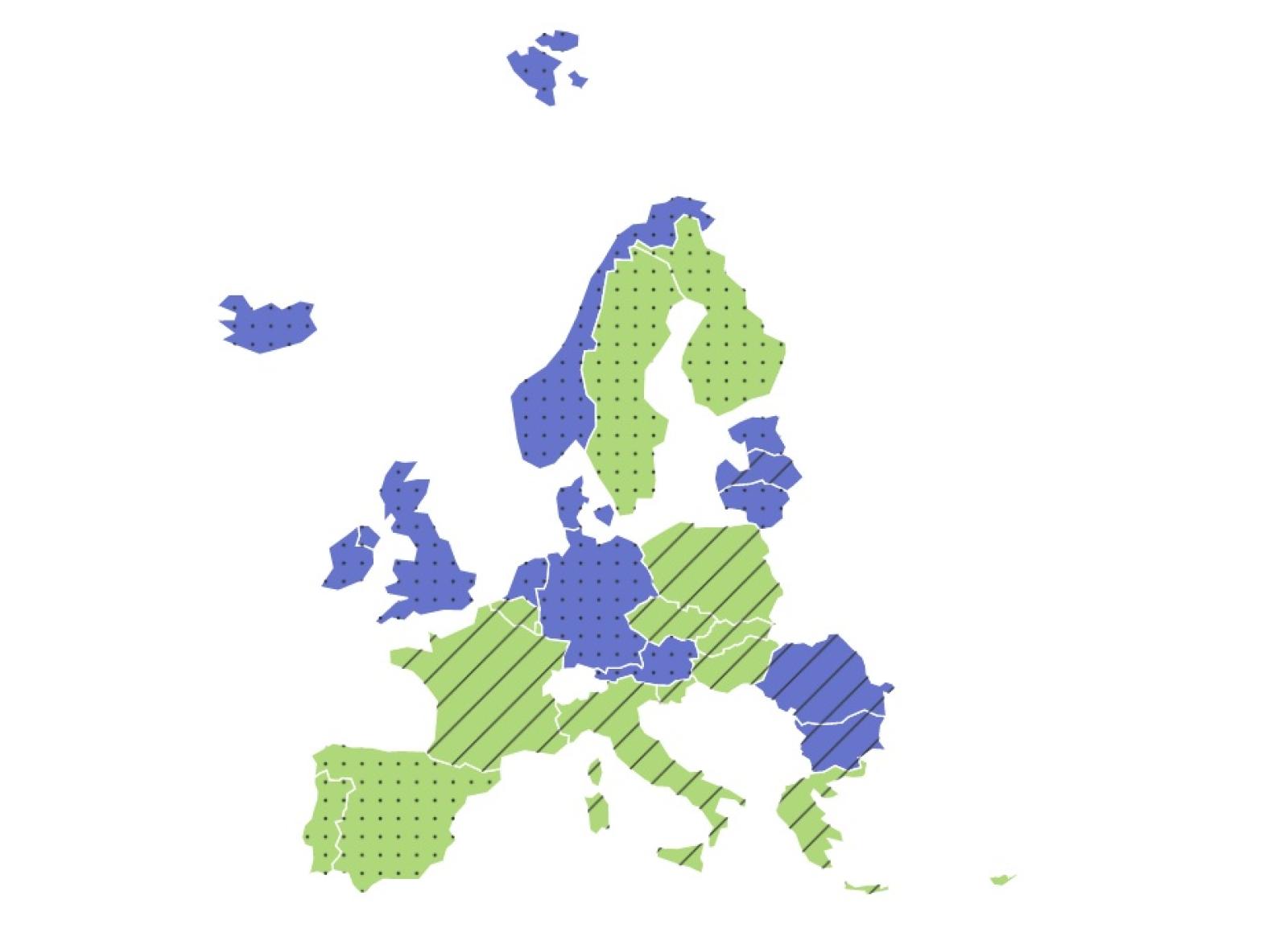
ASSET performed an analysis on the issue, comparing coverage rates of immunisation against polio (Pol3), measles (MCV1) and pertussis containing vaccines (DTP3)* in European Union/European Economic Area (EU/EEA) countries, where, according to different policies, these vaccinations are either mandatory or recommended.

This comparison cannot confirm any relationship between mandatory vaccination and rates of childhood immunization in the EU/EEA countries.


* In some countries, such as Italy, vaccination against pertussis is highly recommended but not compulsory, while those against diphteria and tetanus on the contrary are, but the three are usually administered in one single shot.


Scienza in rete è un giornale senza pubblicità e aperto a tutti per garantire l’indipendenza dell’informazione e il diritto universale alla cittadinanza scientifica. Contribuisci a dar voce alla ricerca sostenendo Scienza in rete. In questo modo, potrai entrare a far parte della nostra comunità e condividere il nostro percorso. Clicca sul pulsante e scegli liberamente quanto donare! Anche una piccola somma è importante. Se vuoi fare una donazione ricorrente, ci consenti di programmare meglio il nostro lavoro e resti comunque libero di interromperla quando credi.


prossimo articolo

The Log and the Speck: The True Causes of Wildfires and Floods

The Parable of the Speck and the Log. Ottmar Ellinger the Younger

The wildfires in Los Angeles and other extreme events, as well as their media coverage, highlight how immediate causes often overshadow the real issue: climate change, which increases the intensity and frequency of catastrophic phenomena. Tackling this crisis requires urgent action to reduce greenhouse gas emissions using already available technologies and investments to strengthen territorial resilience. Only a combination of mitigation and adaptation can prevent irreversible damage, ensuring a sustainable future for the next generations.

In the image: The Parable of the Speck and the Log. Ottmar Ellinger the Younger

Even in the face of the vast Los Angeles wildfires—still ongoing—as in other recent circumstances, the media's attention is primarily focused on the most immediate and “proximal” causes: the malfunctioning of the power grid, insufficient water reserves, the unpreparedness of newly hired firefighters, and so on.