fbpx All | Page 3 | Science in the net

All

Europe votes on the new air quality directive
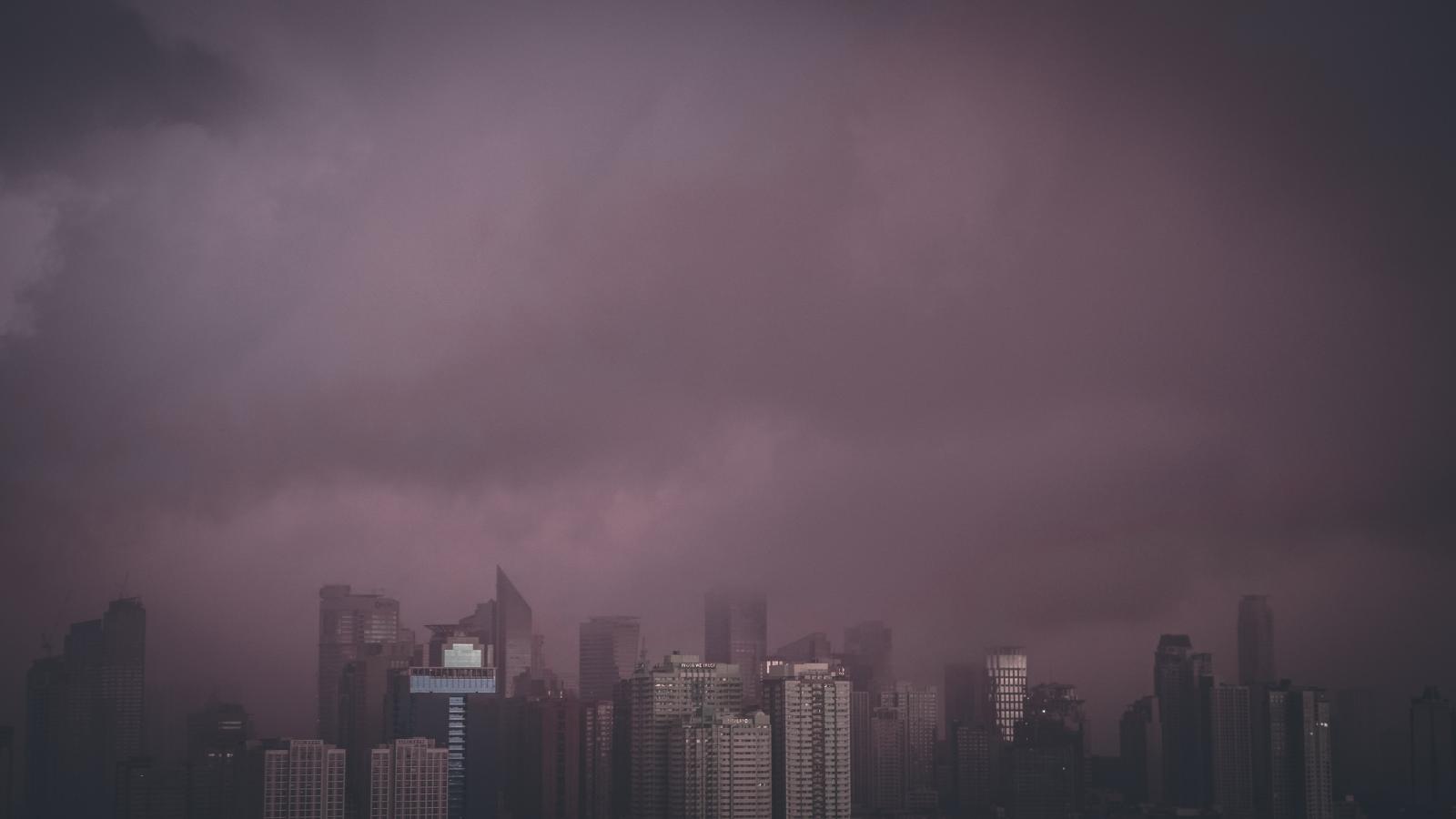
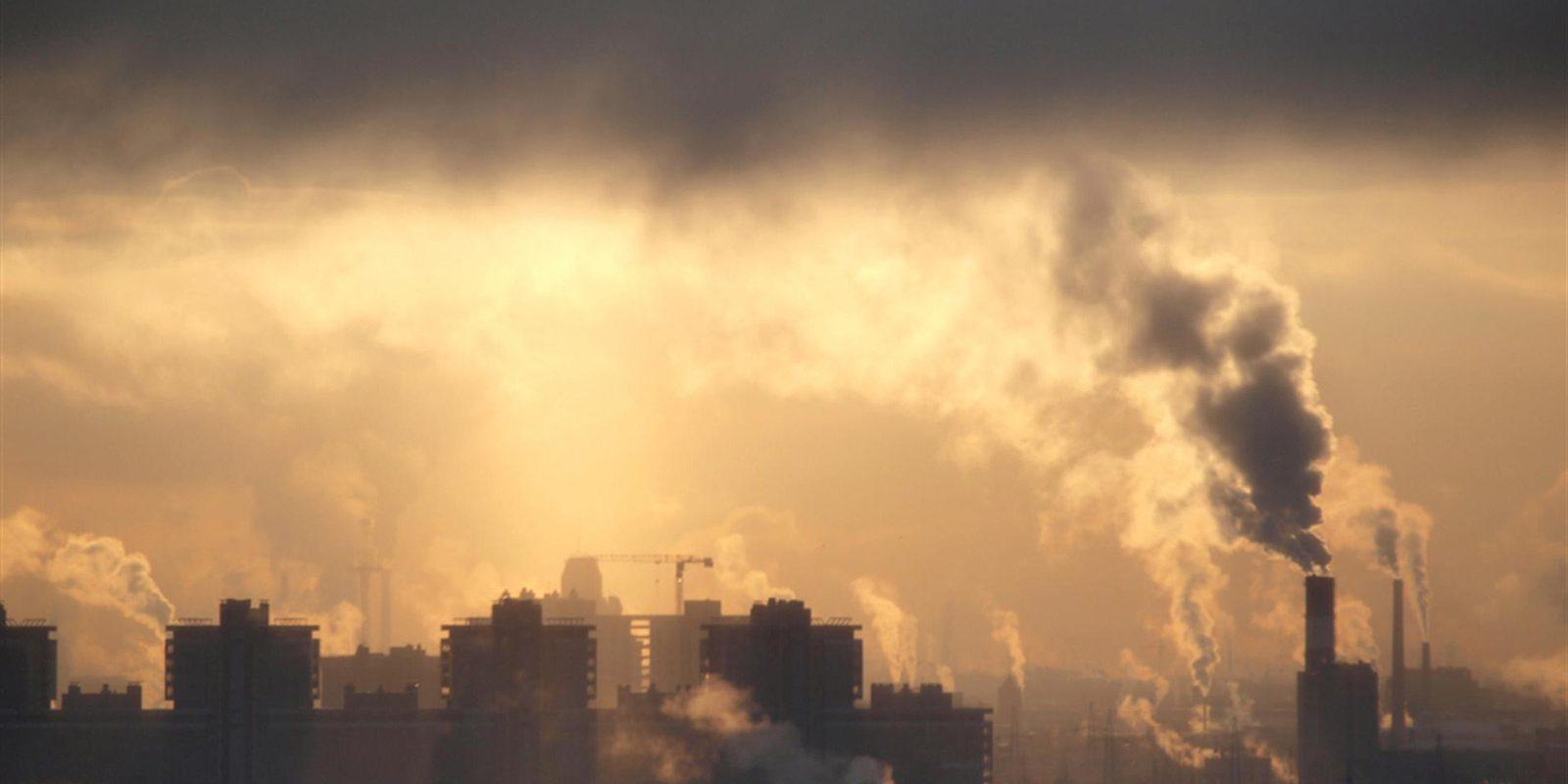
The European Parliament's vote (and subsequently the Council of Europe's) on the new European Directive on air quality is expected for September 13. This directive updates the allowed atmospheric pollutant limits, bringing them closer to those established by the WHO in 2021. Resistance to the new objectives, mainly coming from the industrial world and established economic interests in certain regions, makes the outcome of the vote uncertain. However, there are no serious scientific or political reasons to oppose or attempt to dilute the more ambitious limits proposed by the new directive.

Image credits: JC Gellidon/Unsplash

The new European Directive on air quality, currently under discussion in the European Parliament, updates the concentration limits of major air pollutants, bringing them closer to those set by the new guidelines of the World Health Organization (2021). The outcome of the vote, scheduled for September 13, is uncertain.
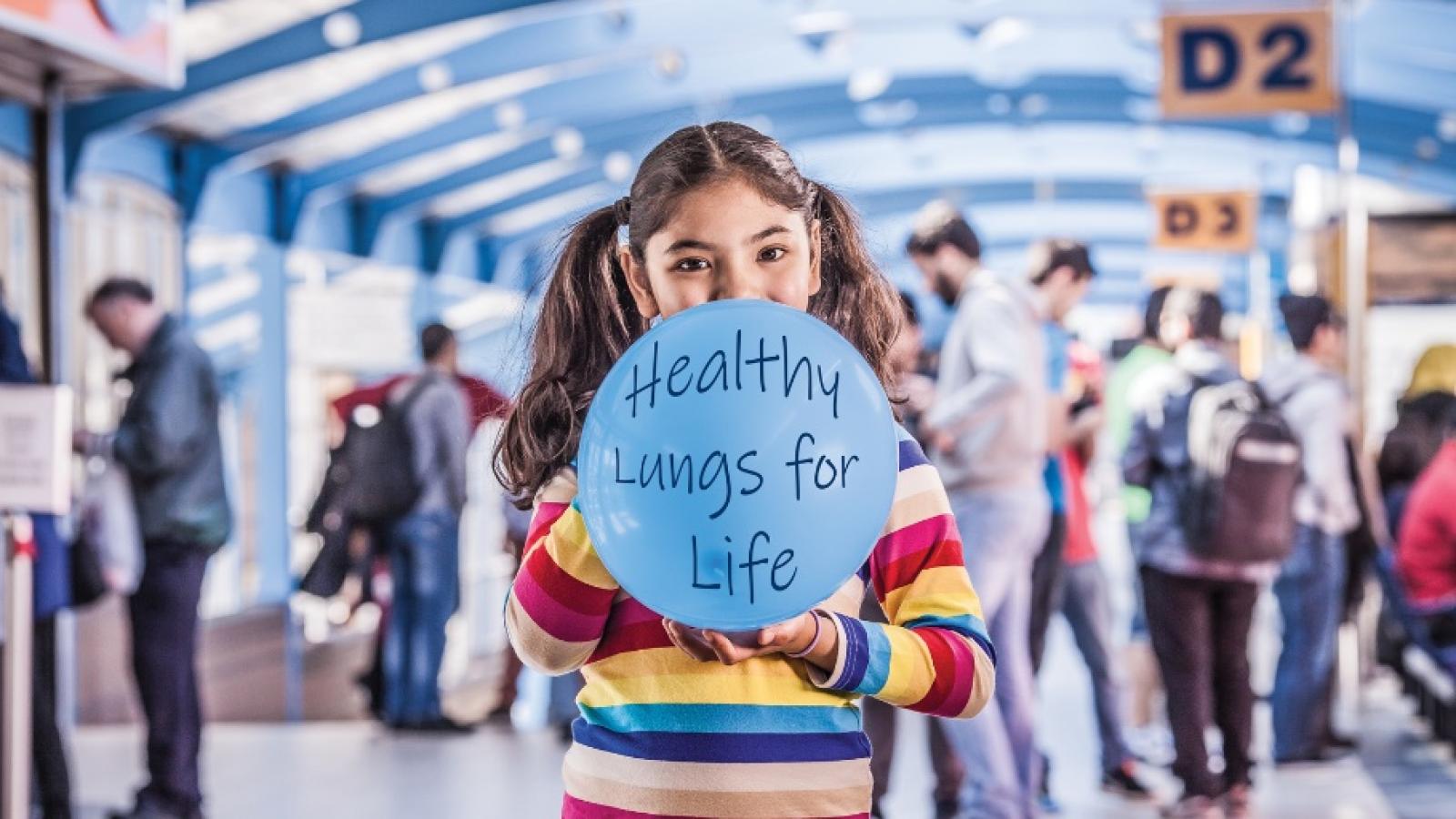

Healthy Lungs for Life: lung health starts with clean air

Gathering support for policies that promote clean air, with particular attention to the EU Directive on air quality being discussed in the coming days: this is the goal of the Healthy Lungs for Life campaign, this year focused on the importance of combating air pollution.

According to the World Health Organization, air pollution is the fourth leading cause of disease and premature death worldwide (after hypertension, smoking, and malnutrition). It is estimated that due to pollution, the European population loses an average of almost one year of life.

Oppenheimer, a film that equally addresses science and ethics

The story of the physicist Robert Oppenheimer is a controversial one, filled with both highlights and shadows. Although it has already been the subject of numerous biographies, it is now the focus of the eponymous film directed by Christopher Nolan. Fabio Terragni reviews it for 'Scienza in rete'.

It's true: Robert Oppenheimer didn't "invent" the atomic bomb. The most tragic achievement of 20th-century science and technology was the result of the first example of Big Science: the Manhattan Project, an unprecedented effort by the American government to outpace Nazi Germany, which cost over two billion dollars and involved tens of thousands of top-tier physicists, engineers, and technicians.

Nature Restoration Law: We Approve the Law for the Future of European Nature

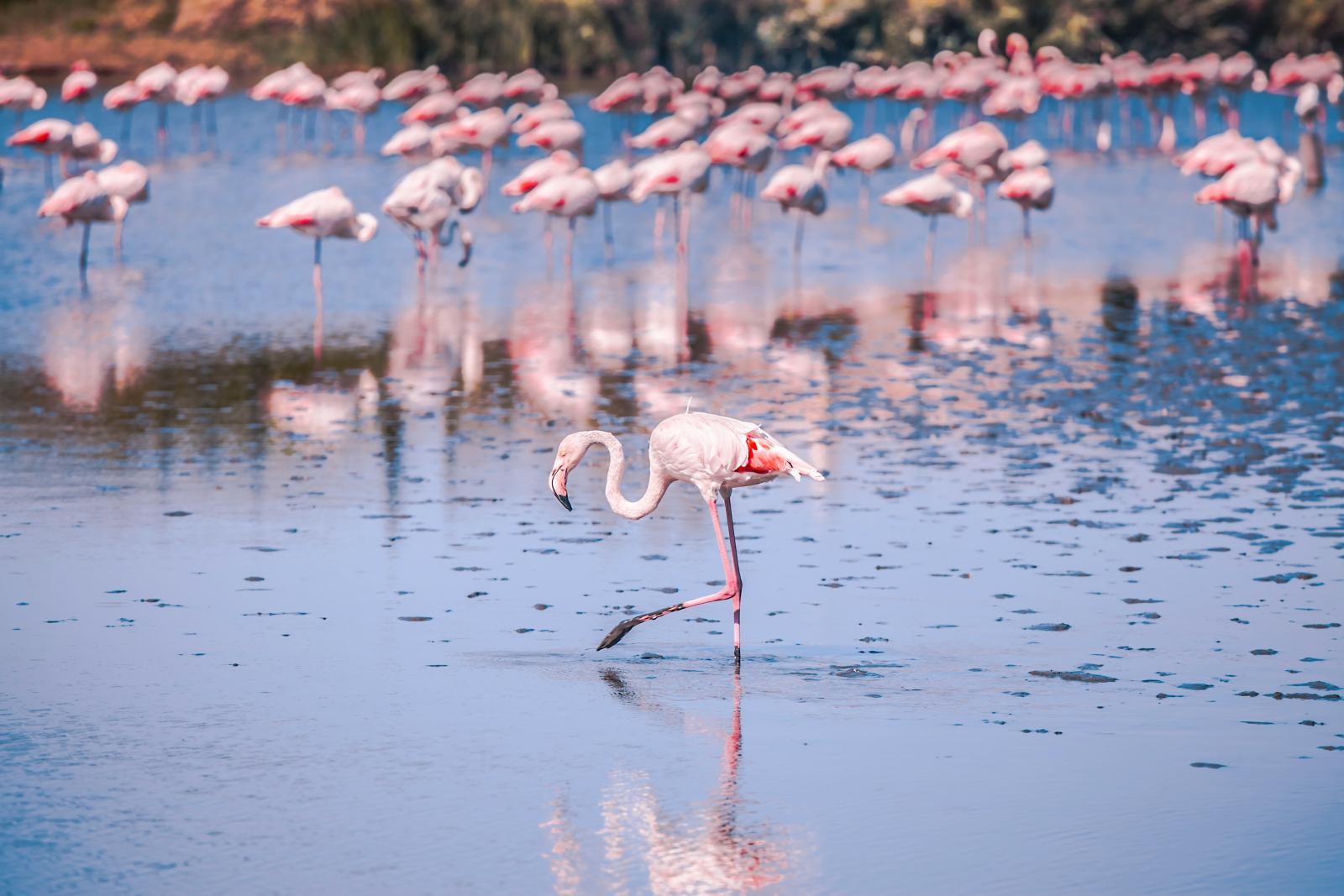
fenicotteri

On the upcoming July 12, the European Parliament will decide the fate of one of the most ambitious initiatives in support of European nature, the Nature Restoration Law, a legislative proposal aimed at restoring European natural habitats. Now more than ever, it is crucial to defend this law and push for its approval.

In Italy, the Manifesto for the Nature Restoration Law has been published, an initiative that has so far received the support of over 150 associations, 4,000 scientists, dozens of large companies, and over one million signatures from individual citizens (here is the registration form).

Image credits: JD design - Unsplash

Making the protection of nature and the restoration of habitats a legal obligation: this is the purpose of the new European regulation proposal, the Nature Restoration Law. An ambitious proposal, but crucial for making the European Green Deal something concrete.

Save the Children but also the Transgender Adolescents: Their health and the risk of instrumentalization

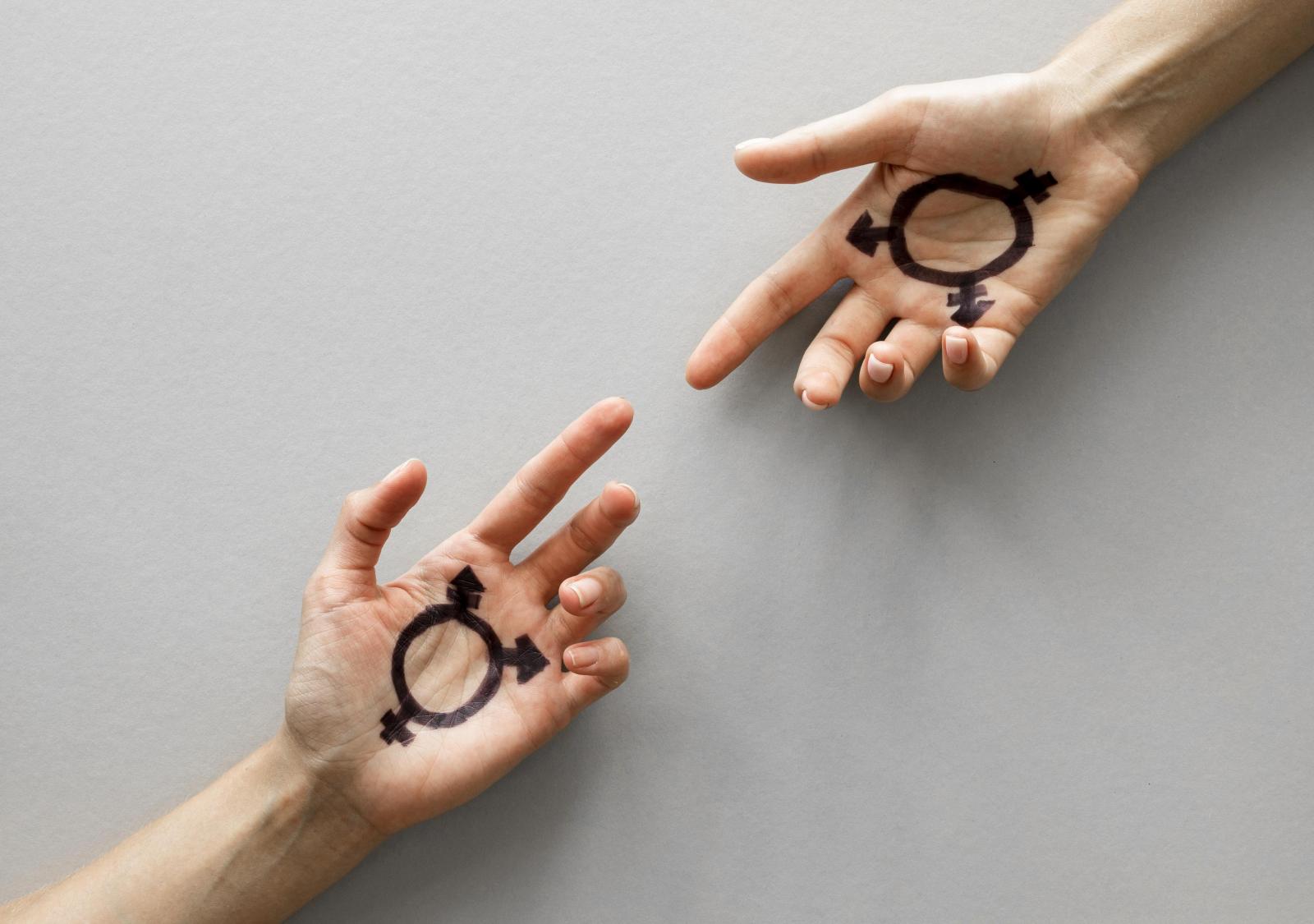
On the 15th of September, the World Professional Association for Transgender Health (Wpath) updated the Gold Standard of care for transgender and gender diverse (tgd) people. The Wpath guidelines essentially constitute a set of clinical guidelines, based on the best available scientific studies and professional expertise, with the purpose of educating and guiding health care professionals and programs, internationally.

Pollution and Covid. Two vague clues don't make an evidence

In these days, newspapers and television programs (and the web, of course) are giving space to a statement by the Italian Society of Environmental Medicine (SIMA) announcing important discoveries on the link between airborne particulate matter and Coronavirus, even describing them as important for the decisions to be taken in the coming weeks.

Epidemic: from reality to fantasy

Comparing the Covid-19 pandemic with two pandemics from literature: “The White Plague” by Frank Herbert and “Station 11” by Emily St. John Mandel

Epidemics is an often recurring theme in world literature, where authors share with us their realistic and unrealistic version of them. I recently read two books with global plagues in them: “The White Plague” by Herbert (1982) and “Station 11” by St. John Mandel (2014). These books came to mind at the outbreak of the new coronavirus epidemics, and I was reminded of the traits of their own epidemics and how puzzled they had left me. I will not compare these three diseases scientifically, as that would be impossible.

COVID-19 in Italy: lessons learnt and points for immediate discussion

These notes are strictly personal but express ideas which are shared by a vast community of researchers, including epidemiologists, clinicians, immunologists and lab scientists. This is meant to be a working document.

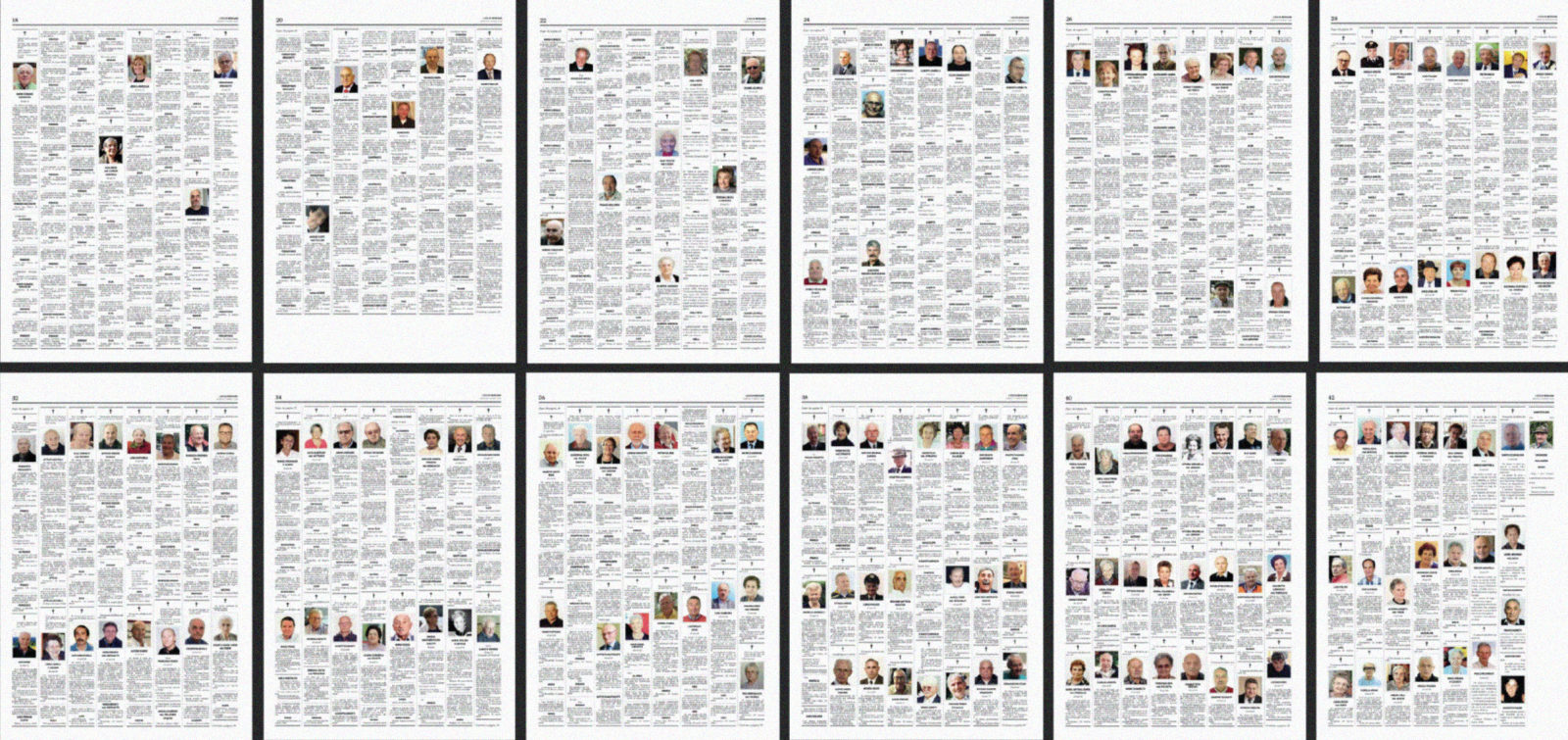
Epidemiology from obituaries

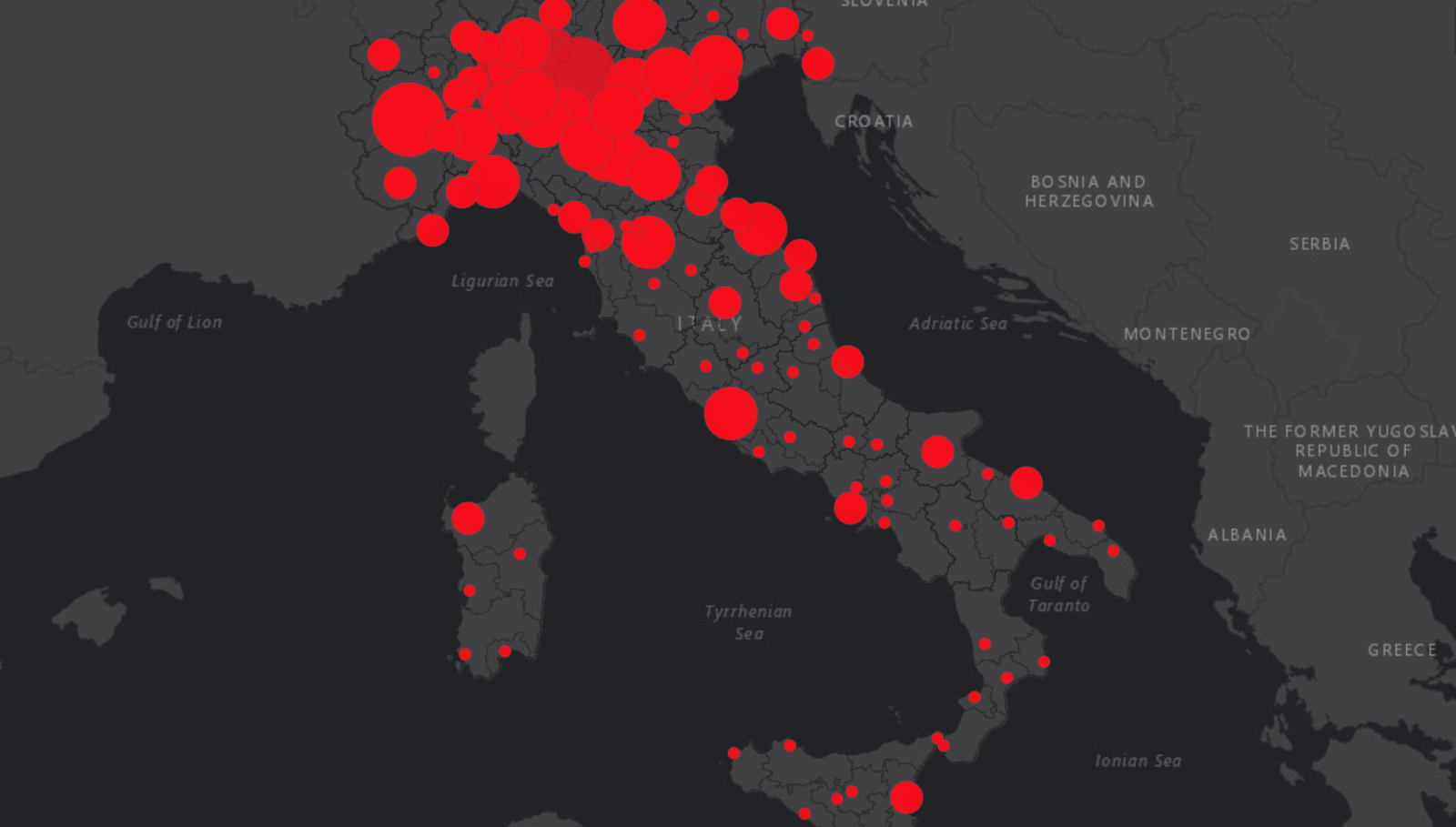
Image from da A deluge of death in northern Italy, Reuters graphics, 25 March 2020.

The number of deaths from Covid reported yesterday (26 March 2020) by the Civil Protection was 662 [1]. The whole of Italy, however, wants to know another fact: the all-causes mortality per day compared to the previous year. This number, indeed, seems to show us the effects of the epidemic much better than the deaths for and with Covid. 

Research agency: our proposals to the government and parliament

Gruppo 2003: It is important that the Research Agency is transparent and independent from politics, starting from the choice of its governing bodies.

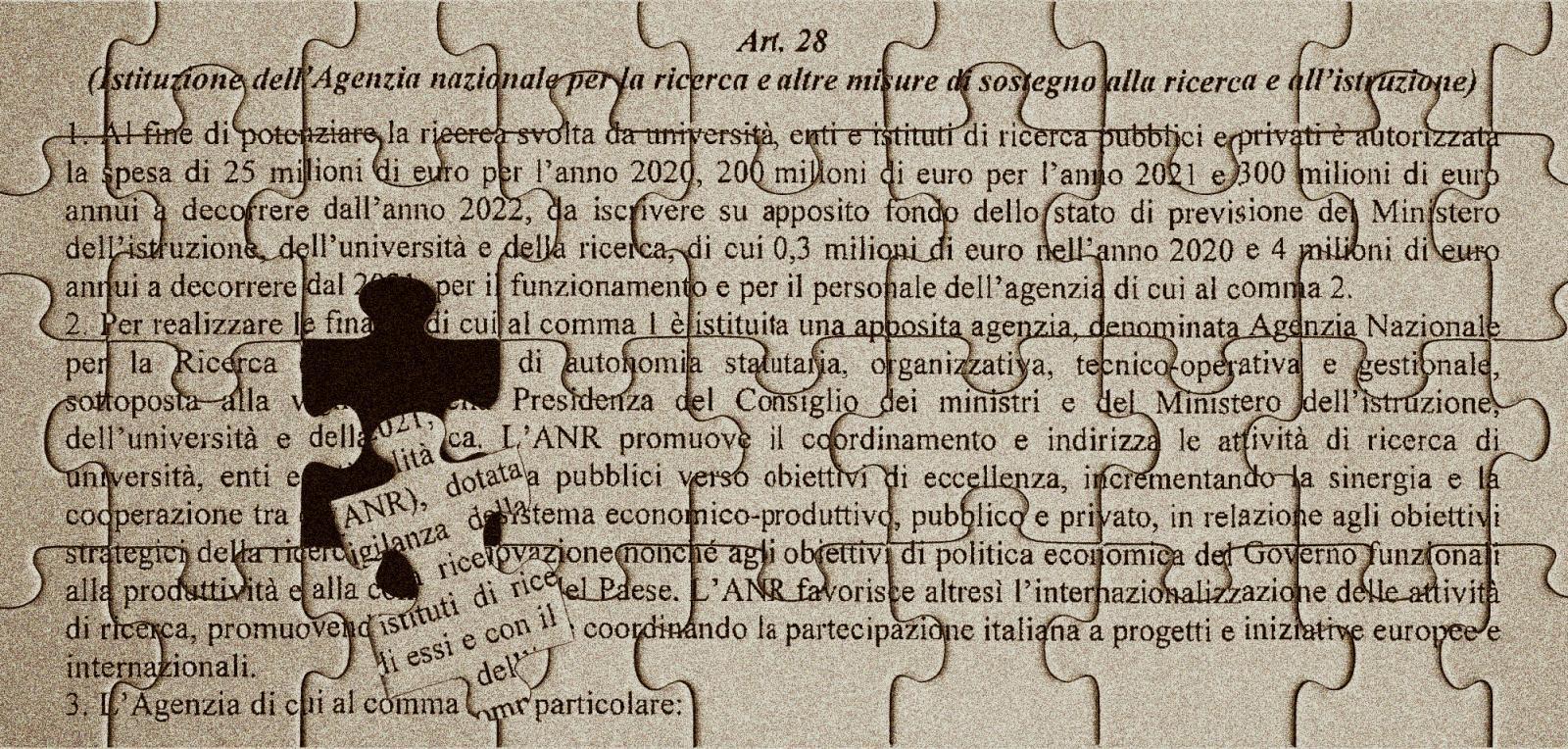
The Italian Government has finally proposed a National Agency for Research, which has been advocated for many years by the Gruppo 2003, a charity of Italian highly Cited scientists focused on Italian research policy. For the moment, information on the characteristics of the Agency is contained in Article 28 of the Draft Budget Law for 2020, which will be discussed in the Chambers in the coming days.