
Marzo 1954, Isole Marshall, Oceano Pacifico, Yoshio Misaki su una tonnara giapponese assiste a uno strano spettacolo: un sole che sorge
a ovest. Ma non si tratta di un sole ma della luce prodotta dall’esplosione nucleare di un test americano effettuato in prossimità
dell’atollo Bikini a 85 miglia a ovest della tonnara. La nube radioattiva raggiunge la tonnara e il vicino atollo di Rongelap. E nessun civile è stato avvertito. Che conseguenze avrà questo drammatico episodio sul rapporto tra scienza e società?
Atollo di Bikini, la cicatrice della bomba atomica
prossimo articolo
Scientists revealed a weak spot of the Huntington’s disease
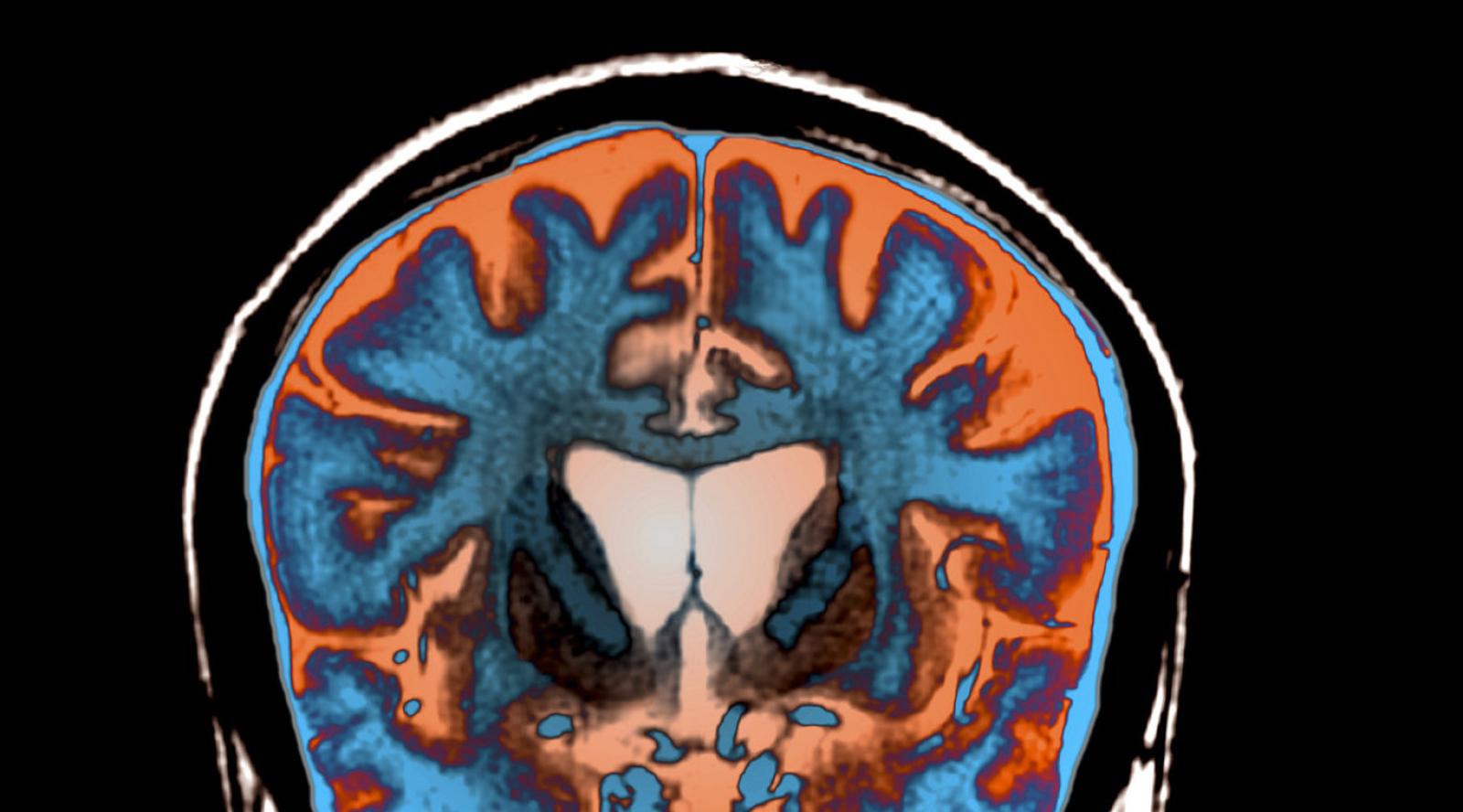
An MRI scan shows signs of atrophy in the brain of a patient with Huntington's disease.
Science Photo Library/Science Source
Researchers have found that aberrant protein aggregates responsible for Huntington’s disease have some weak spots that could be exploited to hinder the development of this pathology. The study, published on Scientific Report, has been conducted by scientists of the Centre for Complexity and Biosystems (CC&B) of the University of Milan, in collaboration with colleagues from Penn State University.