
fbpx Il Nobel di lunga vita | Page 20 | Science in the net

Il Nobel di lunga vita

Read time: 1 min

Il premio Nobel assegnato a Elizabeth Blackburn, Carol Greider e Jack Szostak non è solo un riconoscimento a chi ha socchiuso la porta a una maggiore longevità, se non proprio all'immortalità, della specie umana. La scoperta del ruolo dei telomeri nell'invecchiamento cellulare e della telomerasi, l'enzima che li conserva nella loro integrità, apre la strada a molte altre importanti applicazioni cliniche, nel campo della terapia dei tumori o di altre patologie, come l'anemia aplastica. E' questa una prova di quali grandi ripercussioni possa avere una ricerca esclusivamente "curiosity driven", come ha dichiarato Greider, e implicitamente quindi anche un invito a sostenere quelle branche della scienza, apparentemente prive di immediate ricadute pratiche, che però allargano il campo delle conoscenze a imprevedibili applicazioni future.

Assegnazione del premio Nobel per la medicina, 5 ottobre 2009
Autori: 
Sezioni: 
Nobel

prossimo articolo

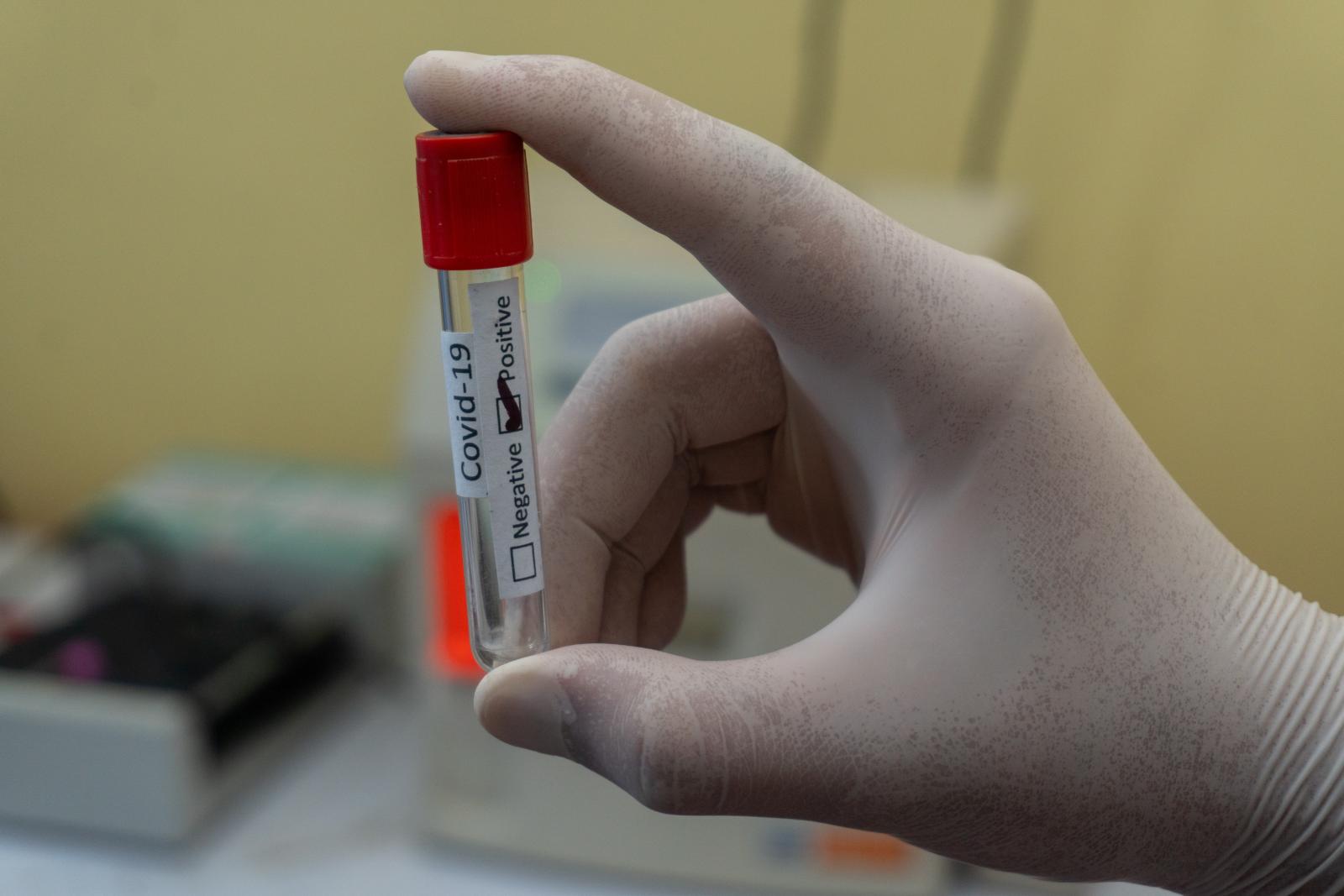
We cannot archive Covid-19 yet

Coexistence with Covid-19 cannot yet be said to be stable, especially due to the great variability of SARS-CoV-2. For this reason, as the number of cases in Italy is increasing, it is necessary to limit the impact of infections by acting on two fronts, which are not alternatives to each other: reduce the share of people who have become partially susceptible and limit the likelihood of the emergence of new variants.

Image credits: Prasesh Shiwakoti (Lomash)/Unsplash

Several attempts have been made to archive Covid-19, trying to leave behind an experience worthy of the worst dystopian novel (about 770 million officially registered cases worldwide and an estimated 18 million deaths), but it seems that the anticipated "coexistence" with the family of viruses has not yet stabilized, and it will take several years to get there.