
fbpx Golden Rice, Frankenfood, and the torch-wielding mob | Page 5 | Science in the net

Golden Rice, Frankenfood, and the torch-wielding mob

Primary tabs

Read time: 1 min

Most scientists hate the term “Frankenfood” applied to genetically engineered (GE) crops. Activists certainly use it as an insult. But did those activists actually read Mary Shelley’s book?
Mary Shelley’s creature is not at first a monster of despicable evil; quite the contrary, he is agentile and sensitive creature condemned to solitude and neglect and chased everywhere he goes by bigoted mobs that dislike him only for aesthetic reasons, because he seems to them a monstrosity. Listen at the creature’s lament when, after secretly helping a family of poor farmers, he finally decides to reveal himself:
“The more I saw of them, the greater became my desire to claim their protection and kindness; my heart yearned to be known and loved by these amiable creatures; to see their sweet looks directed towards me with affection, was the utmost limit of my ambition. I dared not think that they would turn from me with disdain and horror.” Continue reading on Sci-Phy

Follow the discussion on LinkedIn


Ariel Polandri (@ArielPoliandri) is Senior Post-doctoral Researcher in Stem Cell Disease Modelling at the Imperial College in London. 
Autori: 
Sezioni: 
GMO debate

prossimo articolo

President Trump reshapes US research landscape

trump

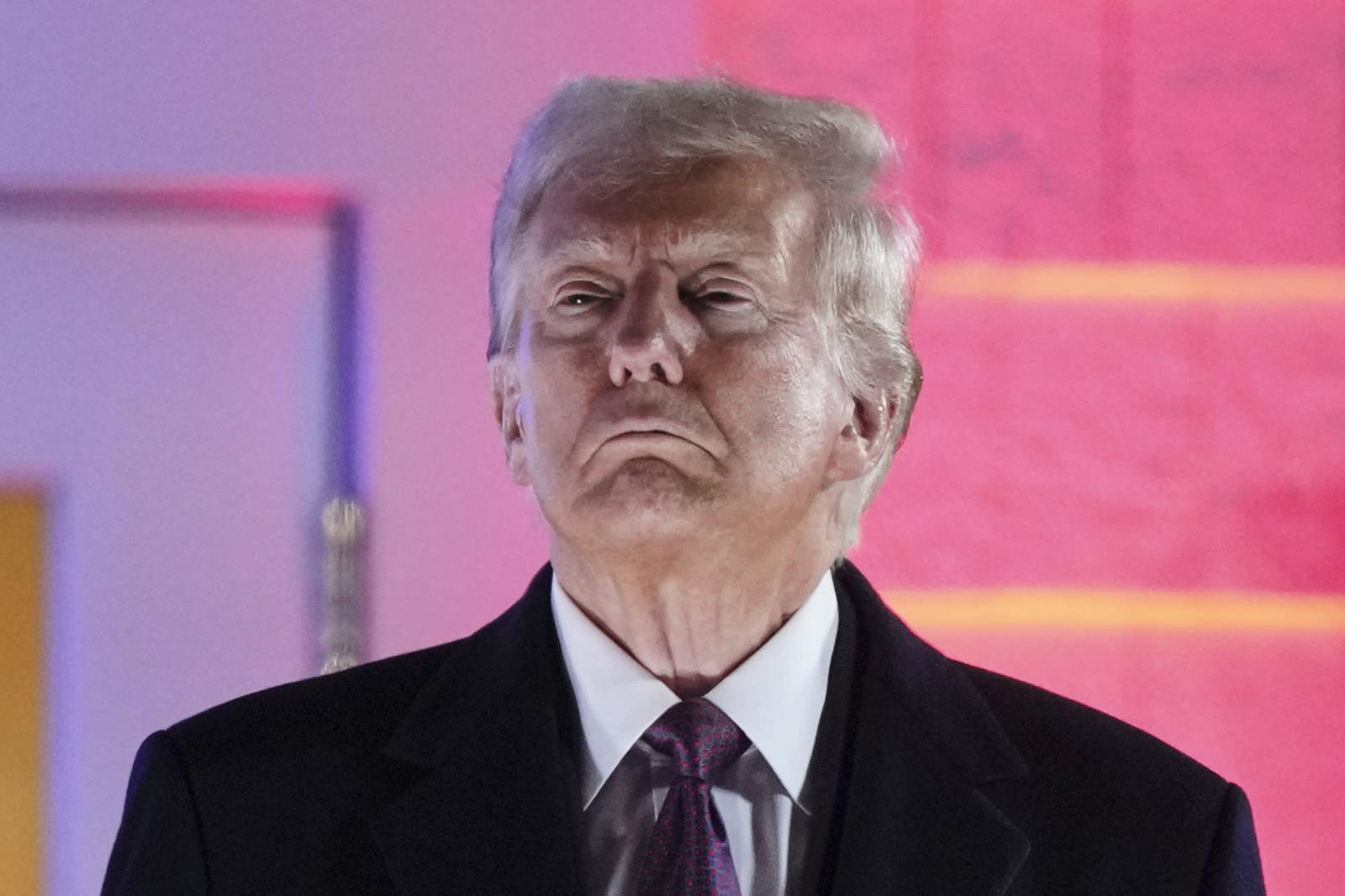
Con una serie di ordini esecutivi, Donald Trump smantella le politiche climatiche di Biden e ritira gli Stati Uniti dall'accordo di Parigi. Le agenzie federali scientifiche (EPA, NIH, CDC, FDA, NASA) vengono ristrutturate con nuove nomine orientate alla deregolamentazione. Vengono congelate le assunzioni federali, mentre la revisione delle collaborazioni internazionali potrebbe ridefinire il ruolo USA nella ricerca globale. Immagine: Donald Trump.

20 January 2025 marks a turning point in US science policy, with a series of executive orders drastically redefining the role of federal science and research agencies. A detailed analysis of the documents reveals an approach that fundamentally changes the basis of US climate, energy and biomedical research policy.

This comprehensive list shows the scope and breadth of the first day's interventions, which touch virtually every aspect of the federal government, from foreign policy to national security, from energy to immigration, from administrative reform to social policy.