fbpx Calculate (Medical Calculator) | Science in the net

Calculate (Medical Calculator)

Primary tabs

Read time: 1 min

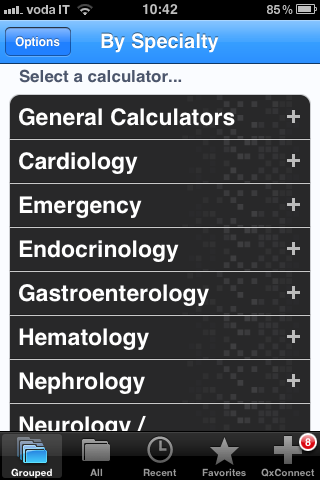
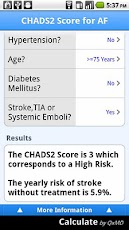
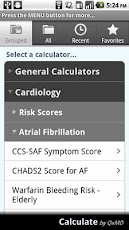
Calculate (Medical Calculator) is a clinical calculator for iPhone, iPad, iPod Touch, BlackBerry and Android with more than 150 unique calculators and tools.
These calculators are grouped by specialty, but the “All” button on the bottom index bar allows more convenient searching.
Calculate (Medical Calculator) offer also the ability to designate calculators as “favorites” and stores recently used calculators.
The menu screens and general interface experience is relatively simple allowing a quick use.

Calculate (Medical Calculator) is freely available to the medical community.

Video tutorial and previews of the app:

[video:http://www.youtube.com/watch?v=NW4KPIHw5vg]

[video:http://www.youtube.com/watch?v=hRHicvwnrdI]

Apple:

Calculator Apple 1 Calculator Apple 2 Calculator Apple 3 Calculator Apple 4 Calculator Apple 5 Calculator Apple 6

Android:

Calculate Android 1 Calculate Android 2


Scienza in rete è un giornale senza pubblicità e aperto a tutti per garantire l’indipendenza dell’informazione e il diritto universale alla cittadinanza scientifica. Contribuisci a dar voce alla ricerca sostenendo Scienza in rete. In questo modo, potrai entrare a far parte della nostra comunità e condividere il nostro percorso. Clicca sul pulsante e scegli liberamente quanto donare! Anche una piccola somma è importante. Se vuoi fare una donazione ricorrente, ci consenti di programmare meglio il nostro lavoro e resti comunque libero di interromperla quando credi.


prossimo articolo

Scientists revealed a weak spot of the Huntington’s disease

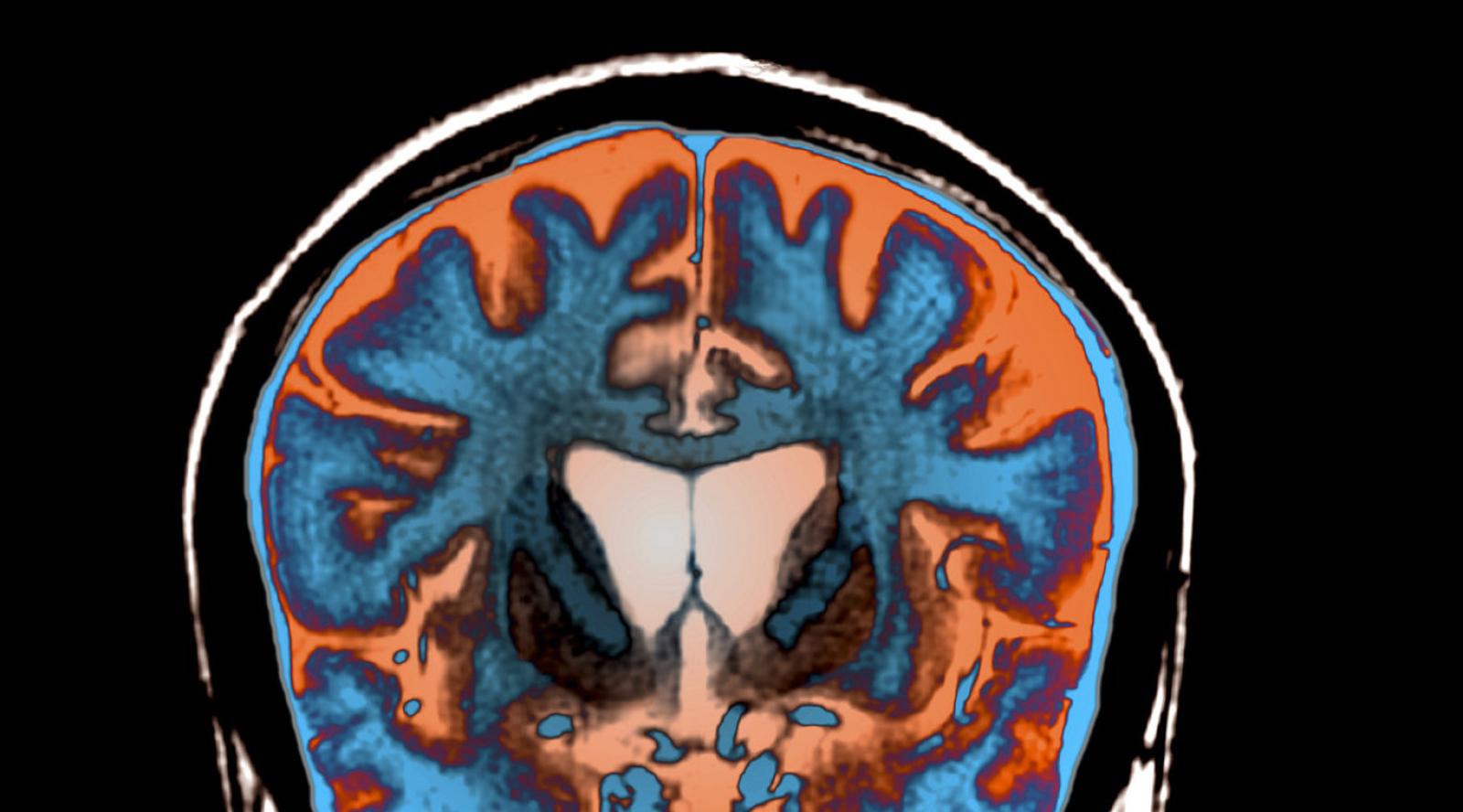
An MRI scan shows signs of atrophy in the brain of a patient with Huntington's disease.
Science Photo Library/Science Source

Researchers have found that aberrant protein aggregates responsible for Huntington’s disease have some weak spots that could be exploited to hinder the development of this pathology. The study, published on Scientific Report, has been conducted by scientists of the Centre for Complexity and Biosystems (CC&B) of the University of Milan, in collaboration with colleagues from Penn State University.